10 Strange Fashion Trends From History
Hobble skirts, codpieces, chopines, powdered wigs and JNCO jeans. Ten clothing trends from the last 500 years that made walking, sitting or getting through a door harder.
By Ilias Ism
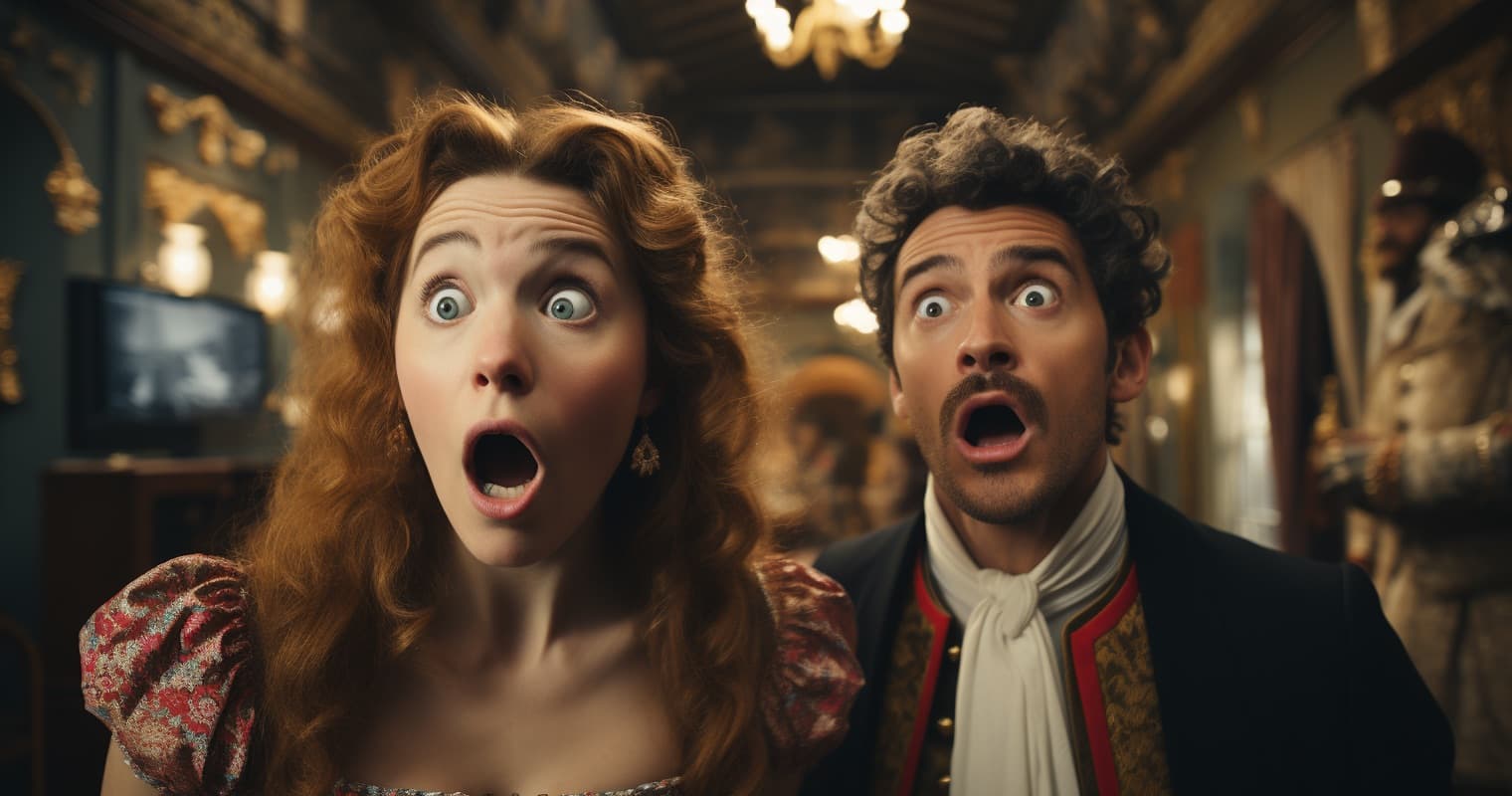
Plenty of past fashions made walking, sitting or getting through a door harder. Here are ten of the strangest, from the 1500s to 2010.
1. Hobble Skirts
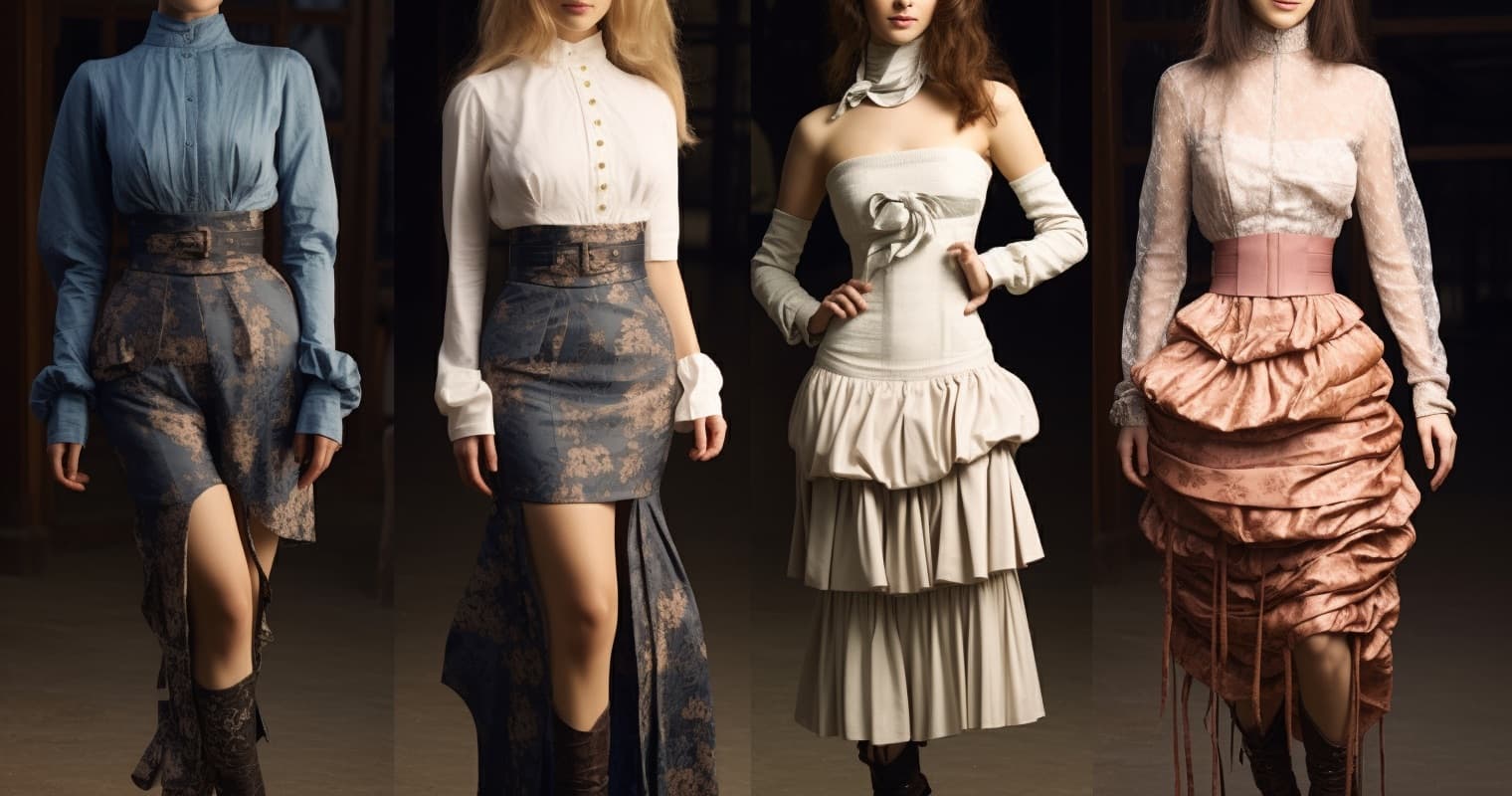
Around 1910, skirts narrowed so sharply at the ankle that women could take only short, shuffling steps. Some wearers tied a band around their legs under the skirt to stop them striding and tearing the seam. The fashion faded by the start of the First World War.
2. Codpieces
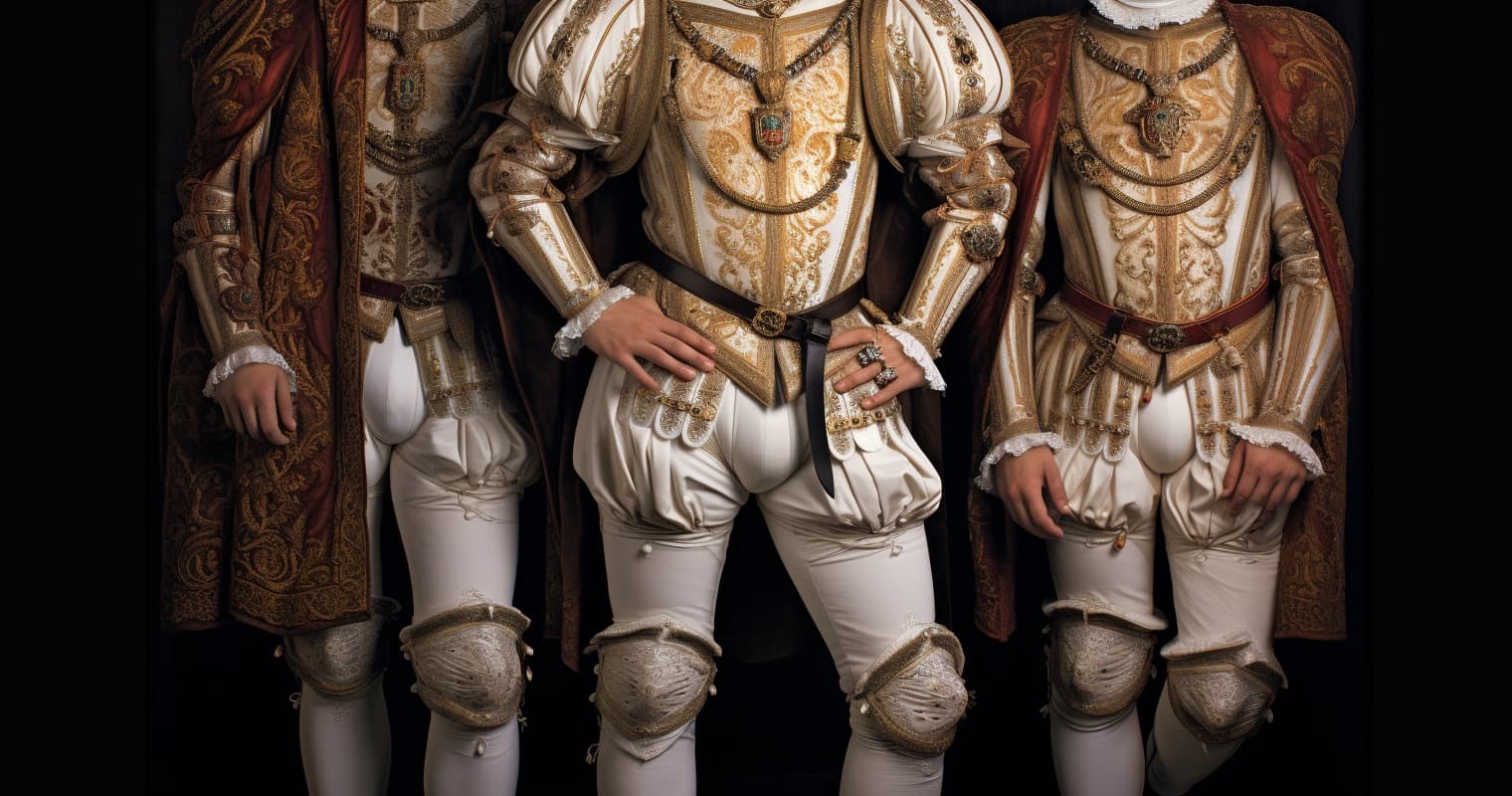
The codpiece began in the 1400s as a simple flap covering the gap where a man's two separate hose legs met. By the 1500s it had become a padded, sometimes jeweled pouch, worn large to signal masculinity. It went out of fashion by the end of the century.
3. Chopines
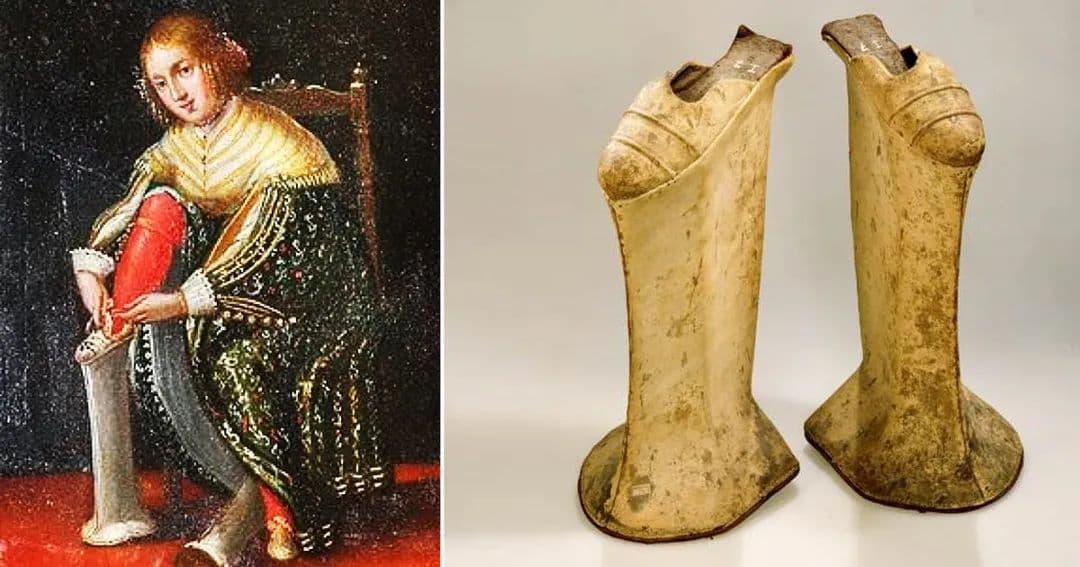
Chopines were platform overshoes worn from the 1400s to the 1600s, especially in Venice and Spain. They kept skirts out of the mud and showed off rank. Some surviving Venetian pairs stand around 50 cm (20 inches) tall, and wearers often needed a servant's arm to walk.
4. Bombasting
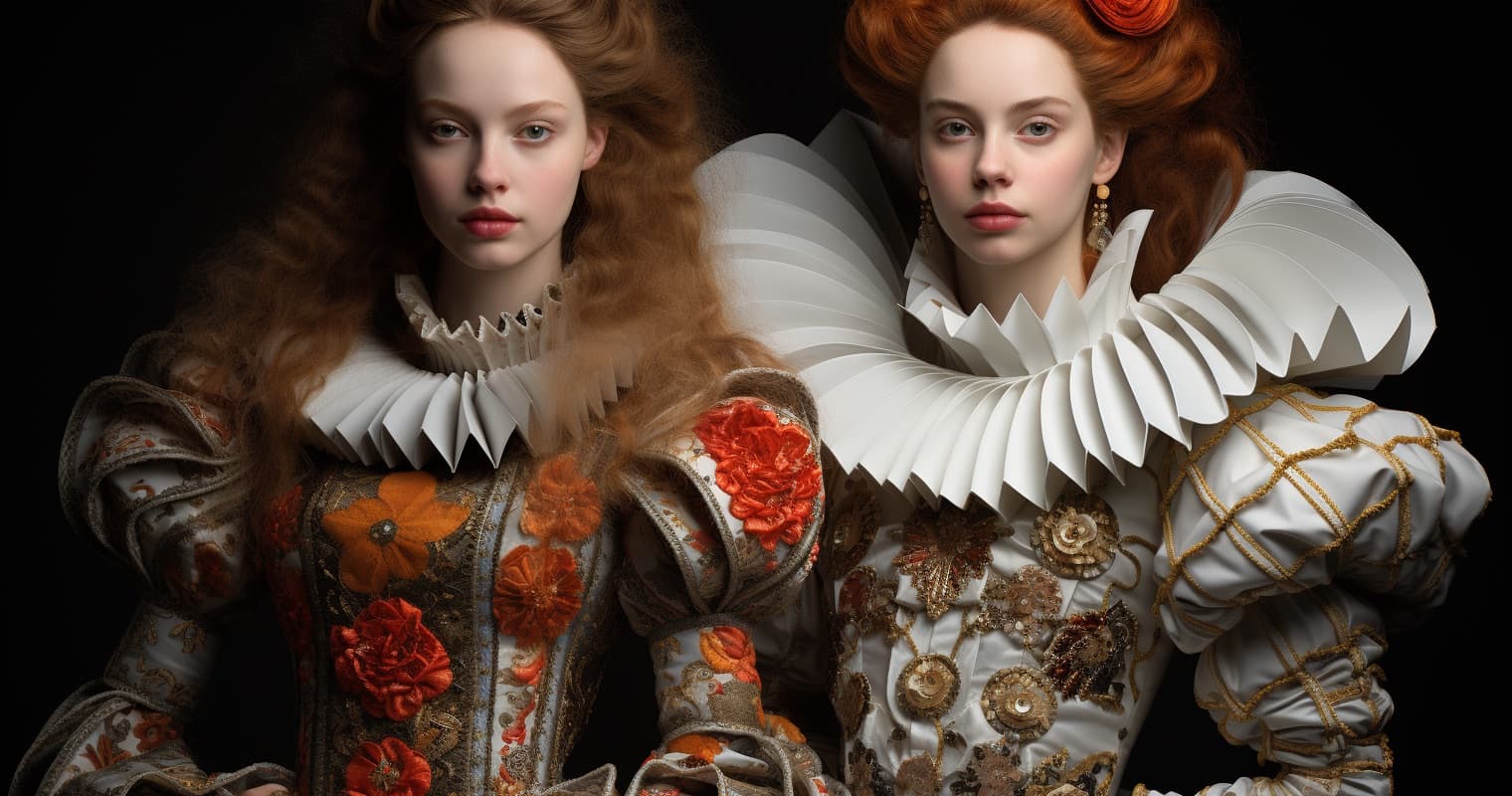
Bombast was stuffing: horsehair, rags, wool or bran packed into clothes in late 1500s England. Men padded their doublets into a pointed "peascod belly" and their trunk hose into round balloons. Women got their width from farthingales, hooped underskirts, and padded rolls at the hips. The word "bombastic", meaning inflated speech, comes from this padding.
5. Powdered Wigs
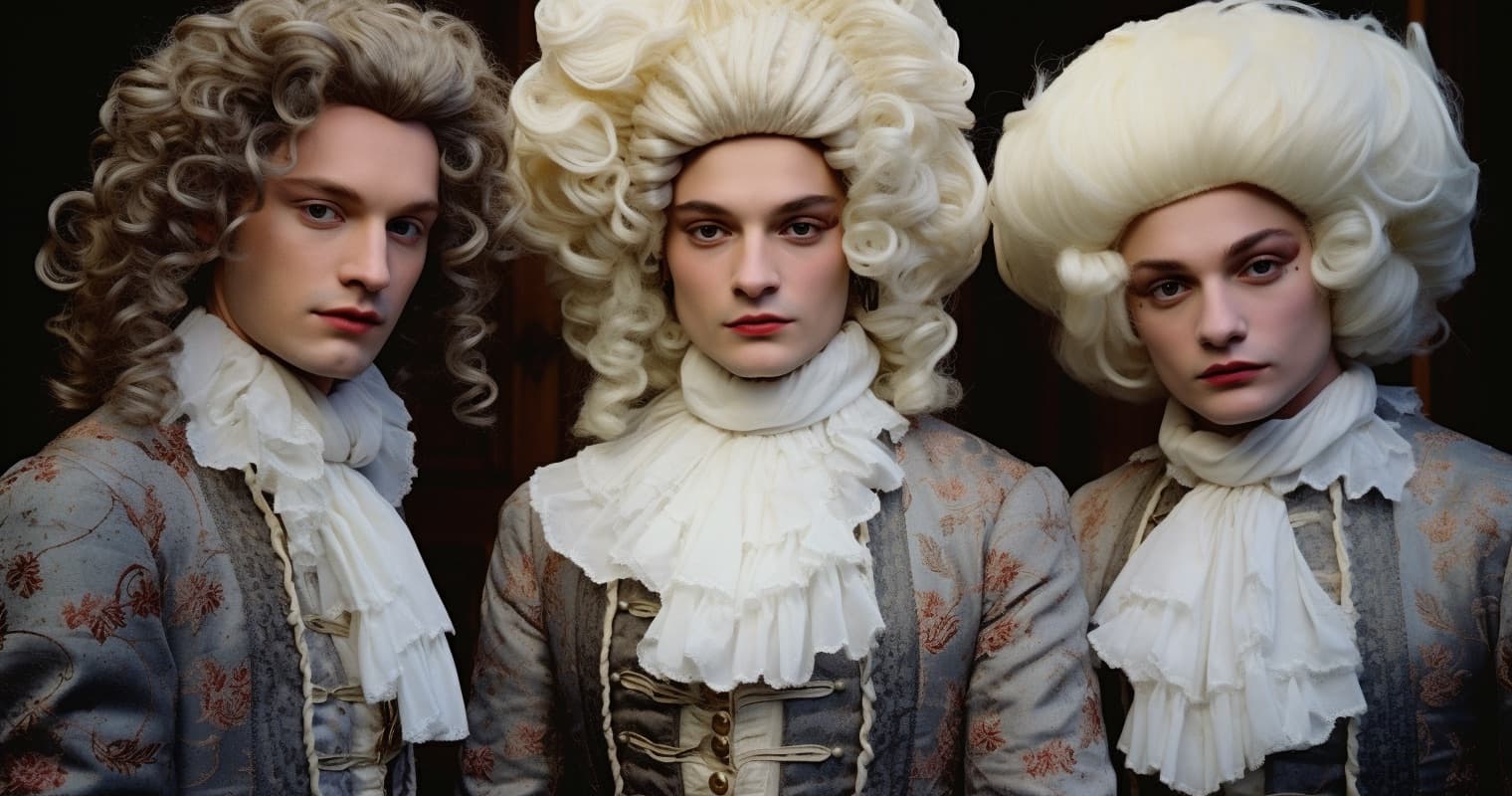
Wigs spread through Europe in the 1600s, helped by Louis XIV of France and Charles II of England. They covered hair loss, which was common with syphilis, and were easier to keep free of lice than real hair. In the 1700s they were dusted with scented starch powder to make them white or gray. Britain's tax on hair powder in 1795 helped end the habit.
6. Hoop Skirts
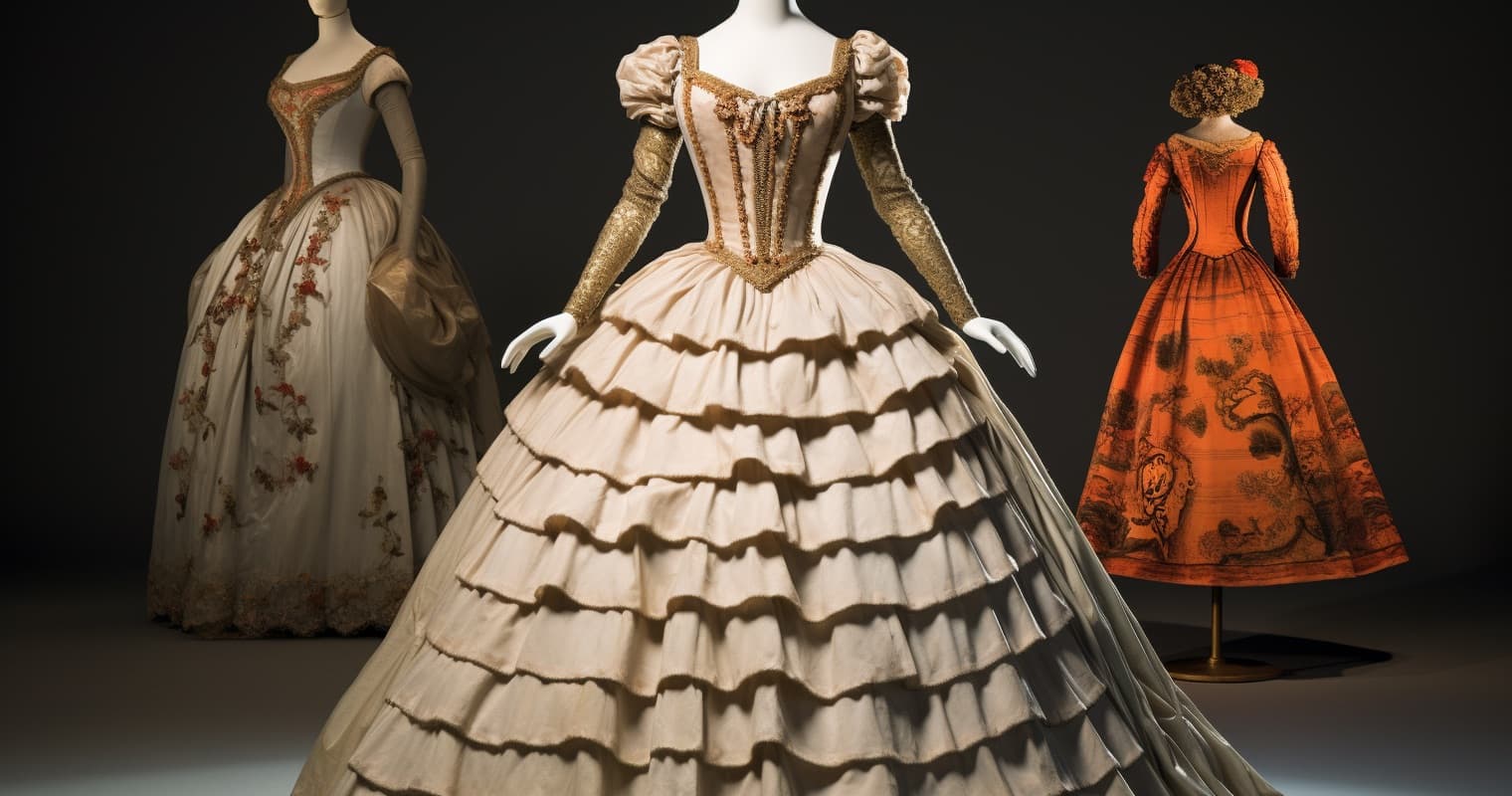
The cage crinoline of the 1850s and 1860s replaced heavy layers of petticoats with a frame of steel hoops. It made skirts lighter and much wider, wide enough that doorways and carriages became a problem. Crinolines also caught fire easily, and burns from them were a known danger of the time.
7. Shoulder Pads
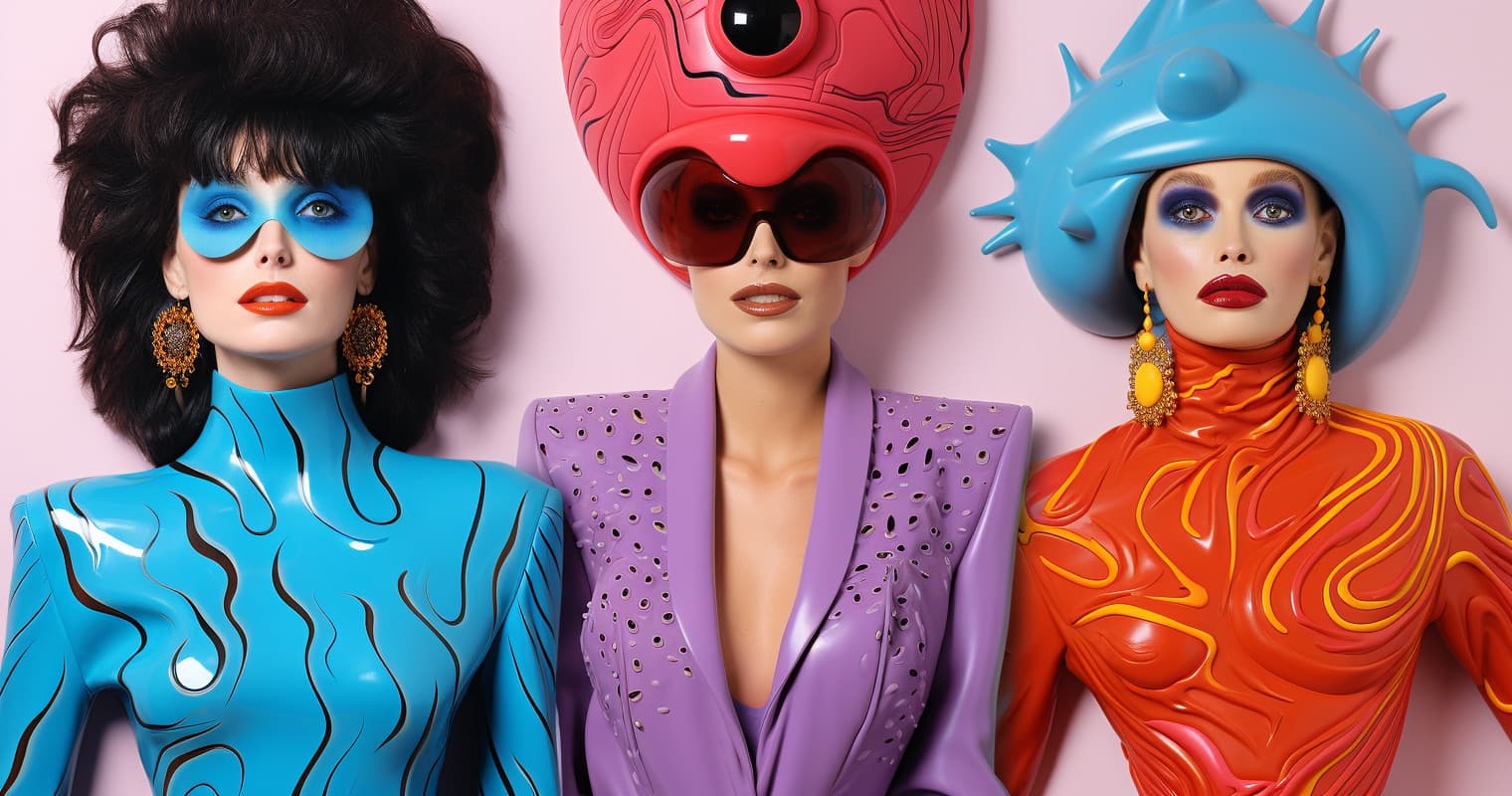
Shoulder pads were already big in the 1940s, but the 1980s took them furthest. Power suits and the costumes on the TV show Dynasty widened the shoulders far past the body, and pads went into blouses, dresses and even T-shirts.
8. Parachute Pants
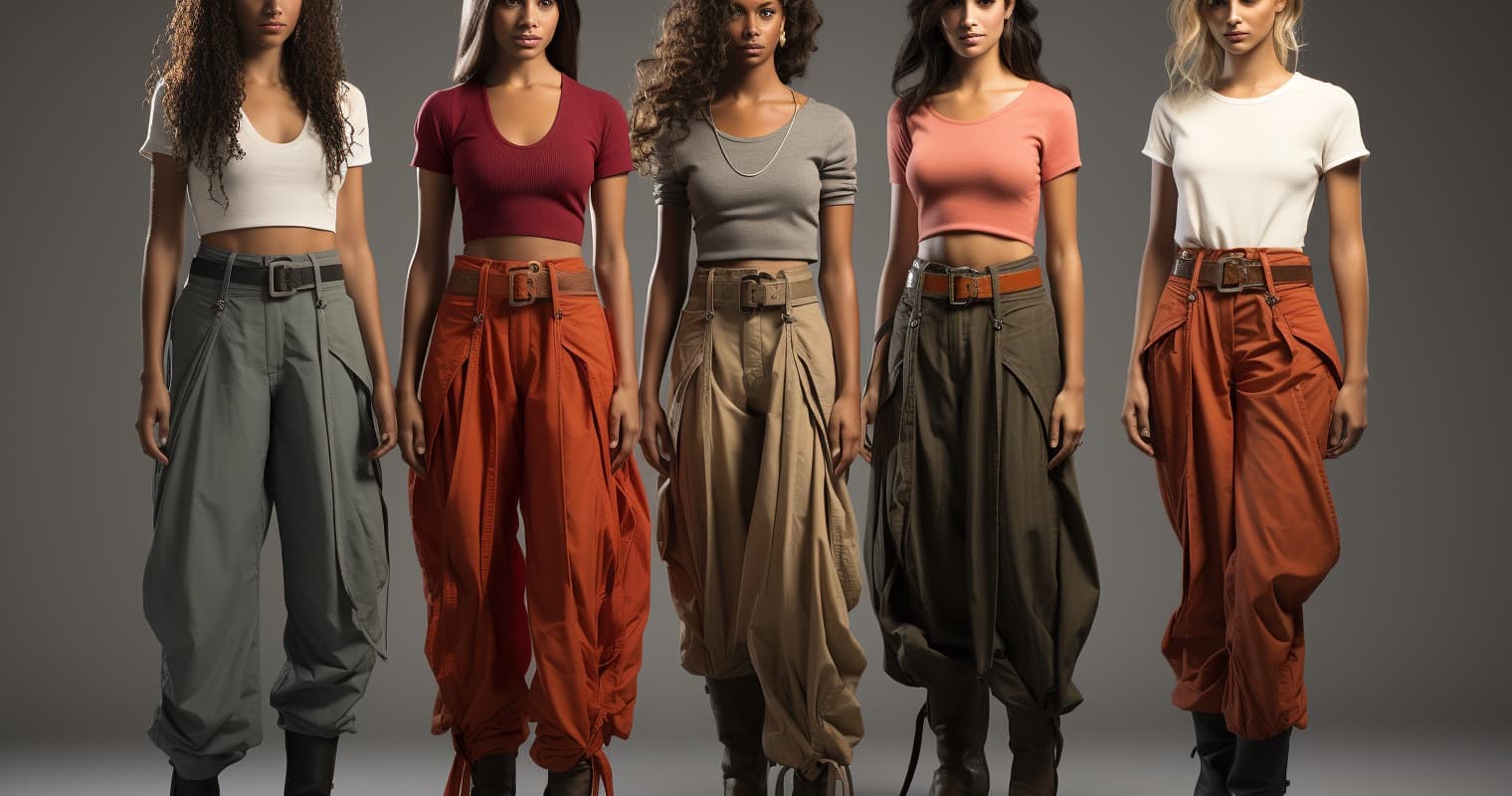
Made from slick nylon with zips and pockets everywhere, parachute pants were a 1980s craze tied to breakdancing. The smooth fabric made spins on the floor easier. They are often mixed up with the baggy "Hammer pants" of the late 1980s and early 1990s, which were a different, harem-style cut.
9. JNCO Jeans
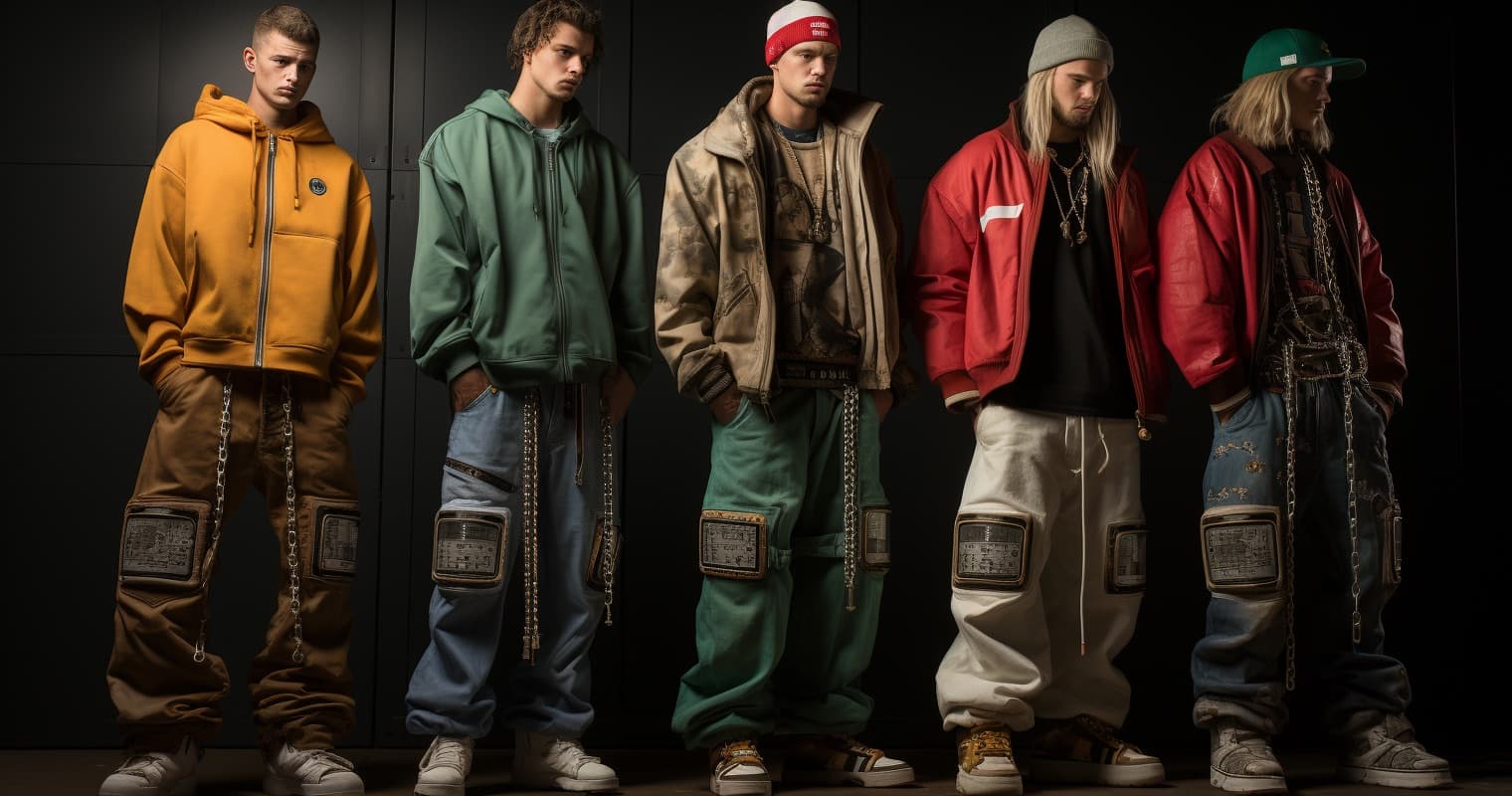
JNCO, a Los Angeles brand, sold the widest jeans of the late 1990s. The biggest styles had leg openings so wide the hems covered the shoes entirely and dragged on the ground, and they became part of skate and nu-metal style.
10. Meat Dress
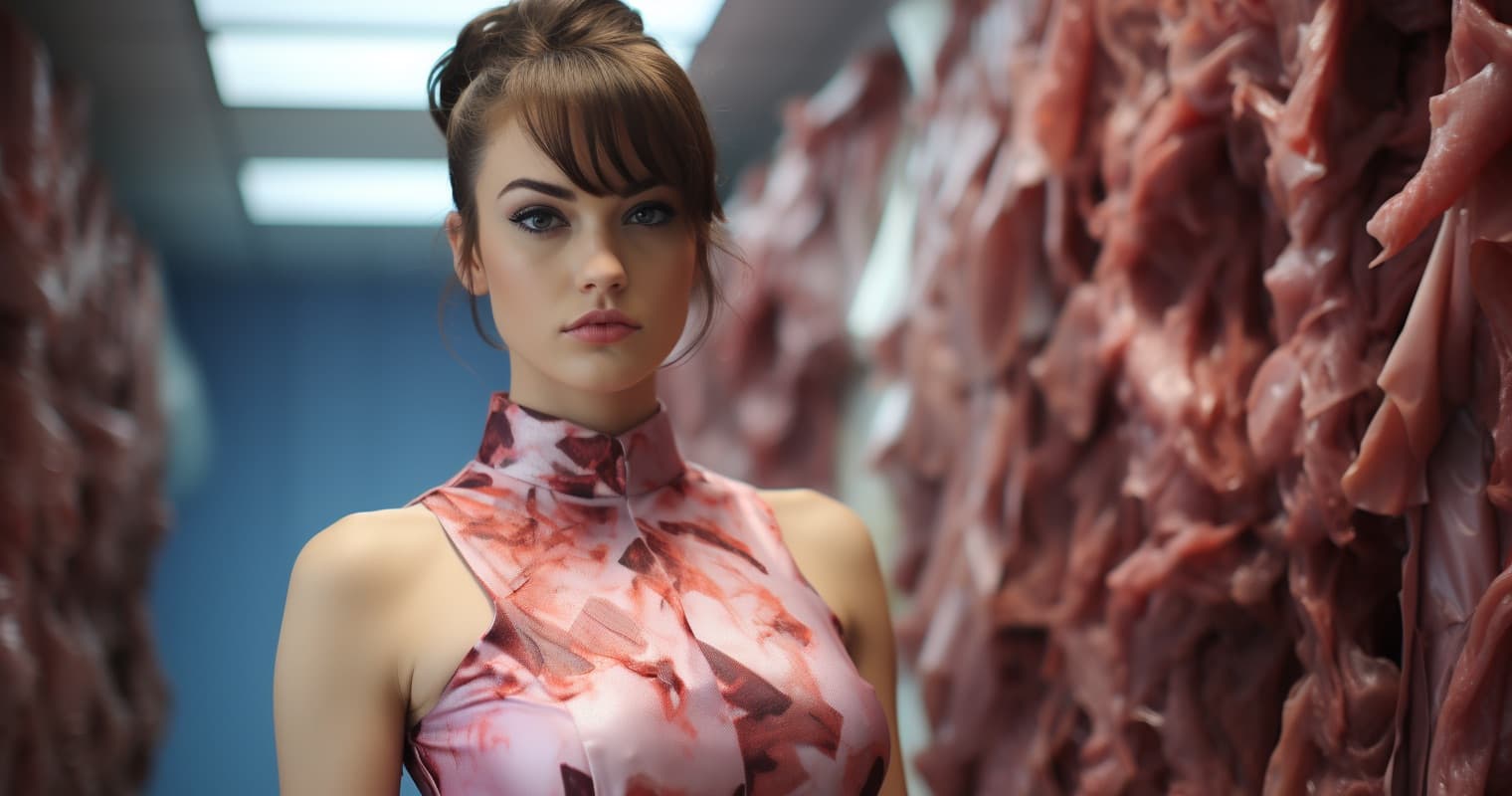
Lady Gaga wore a dress made of raw meat to the 2010 MTV Video Music Awards. It was designed by Franc Fernandez and was later preserved and displayed in a museum.
Car design has its own history of trends. If you restore older Mercedes-Benz models, Classic Mercedes Parts stocks components for them.
How Clothes Are Made: From Fiber to Finished Garment
Every step from fiber to finished garment, and the three places where fit is decided: the pattern block, grading between sizes, and factory tolerance.
How to Measure Inseam (and What It Means)
Three ways to measure your inseam and when to use each, how shoes and break change it, inseam by height from published brand charts, and what inseam means on shorts.
How to Shrink a Shirt, and How Much It Will Really Shrink
Wash it and tumble dry it until it is bone dry. What each fabric can lose in cm and inches, which method to use, why a full size is out of reach, and when a tailor is the better fix.